On this page
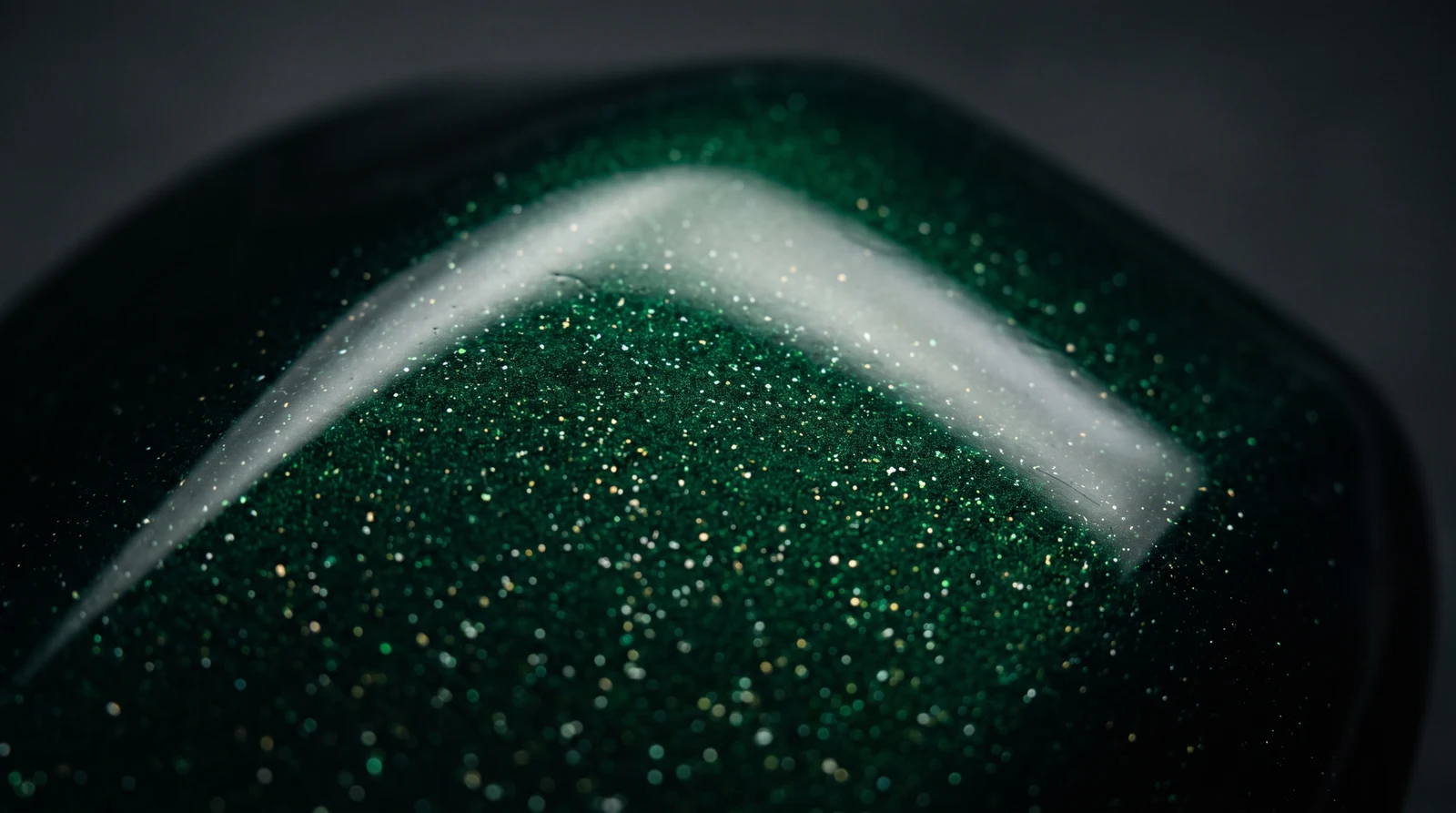
Candy green applies the classic layered candy technique — reflective base, translucent tinted top coat, clear seal — to green, producing a finish with real glowing depth rather than the flatter look of a solid or standard metallic green. It's a less common candy color than red, making it a distinctive choice among builders and buyers who want something less expected.
Where Candy Green Came From
Candy green has a long history in custom car and show culture, often favored by builders looking for a color that reads as deliberately unusual next to the more common candy apple reds and blues typically associated with the technique. Its relative rarity has helped it maintain a specific, cult-favorite status in custom paint circles.
How Candy Green Is Applied
A reflective silver or gold base coat is sprayed first, then one or more passes of a green-tinted transparent top coat follow. More tint passes push the color toward a deeper, more opaque green; fewer passes let more of the reflective base show through, which is where the glowing depth comes from.
What Candy Green Looks Like in Different Light
In direct sunlight, candy green shows a genuine glow, with the reflective base shining through the tint at the right angles. In shade or flat light, it settles into a deep, still-vibrant green without quite the same intensity direct light reveals.
Caring for a Candy Green Finish
As with other candy finishes, gentle washing, careful polishing, and UV protection matter for preserving the tint layer's evenness and preventing uneven fading over years of sun exposure.
Candy Green vs. Other Finishes
Compared to a solid or metallic green, candy green has significantly more visual depth and a glowing quality, at a real cost and repair-complexity premium. Compared to candy red, it's rarer and arguably reads as more distinctive simply due to how infrequently it's seen.
How Long Candy Green Lasts
Like other candy finishes, the tint layer is more sensitive to long-term UV fade than a solid pigment color, making garaging or UV-protectant care worthwhile for preserving the finish's full depth over many years.
Which Vehicles Suit Candy Green Best
Candy green suits custom builds, show cars, and any owner who specifically wants a distinctive, rarely-seen color with genuine depth rather than a common factory option.
Cost Considerations
As a multi-layer candy finish, this is one of the pricier custom paint options at a body shop, generally costing more than solid or metallic green jobs due to the extra tinted layer and specialized application skill required.
Common Misconceptions About Candy Green
Some assume any bright or saturated green qualifies as “candy green.” True candy green specifically requires the layered base-coat-plus-tinted-topcoat construction — a vivid solid green can look bold without being a candy finish at all.
Frequently Asked Questions
Is candy green a common factory color?
It's uncommon as a true factory option — most candy greens are custom or specialty-shop applications rather than something ordered directly off a standard dealer color sheet.
What base color works best under candy green tint?
Silver and gold bases are the most common and reliable choices, producing the richest, most predictable results; other base colors are possible but require more experimentation to balance correctly.