Guides
Paint types and techniques
The chemistry and process behind automotive paint, explained plainly: primer, clear coat, paint types, and how it all goes on.
 Learn
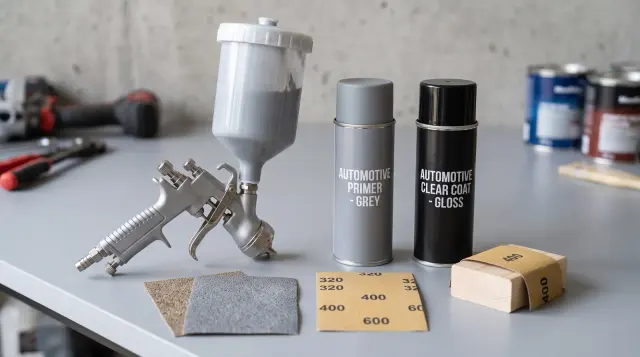
LearnAutomotive Primer Guide
Primer is the foundational layer between bare metal or plastic and the visible paint above it, and skipping it — or using the wrong type — is one of the most common…
Read the guide →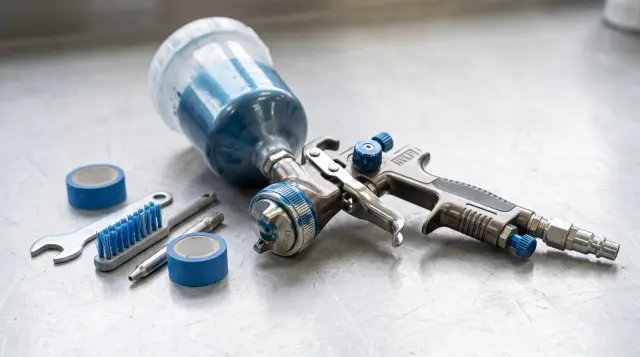 Learn
LearnDIY Spray Can / Rattle Can Painting
Painting a car with aerosol spray cans — often called a "rattle can" paint job — is the most accessible form of DIY automotive painting, requiring no spray gun or…
Read the guide →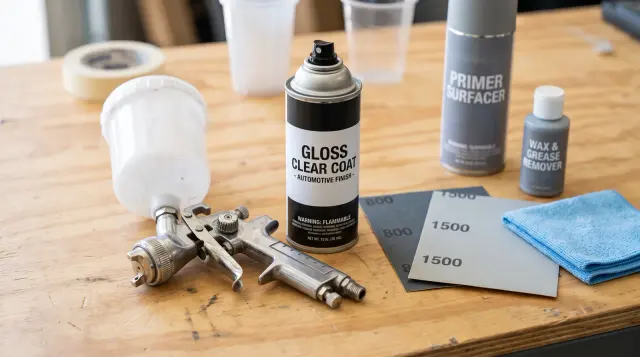 Learn
LearnClear Coat Guide
Clear coat is the final, transparent layer applied over base coat color, and it does far more than just add shine — it's the primary UV and environmental protection…
Read the guide →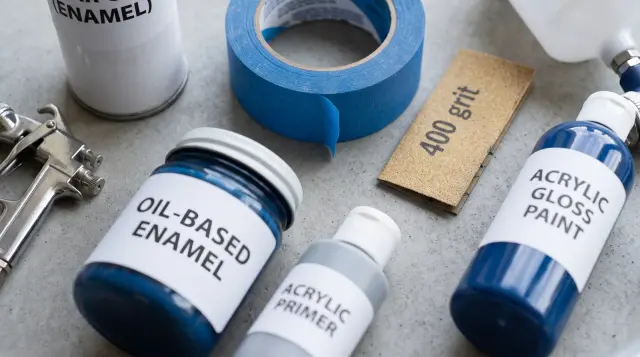 Learn
LearnEnamel vs Acrylic vs Urethane Paint
Automotive paint comes in several distinct chemical formulations, and understanding the differences matters for both DIY projects and evaluating a professional…
Read the guide →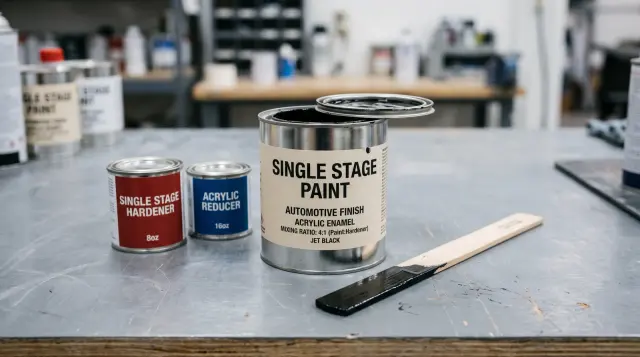 Learn
LearnSingle-Stage vs Base Coat/Clear Coat
Single-stage paint combines color and gloss/protection into one product applied without a separate clear coat, while base coat/clear coat systems apply color…
Read the guide →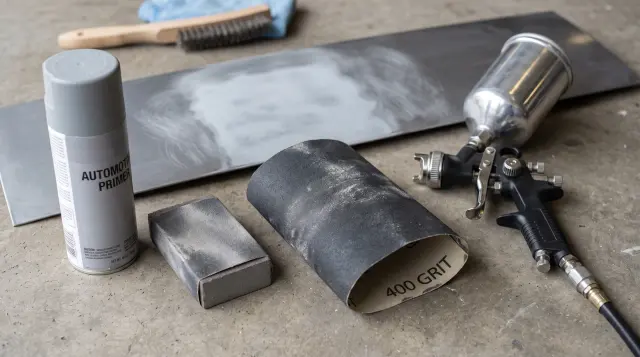 Learn
LearnSanding and Surface Prep
Sanding and surface preparation is unglamorous but arguably the single most important factor in how a paint job actually turns out — more than paint brand,…
Read the guide →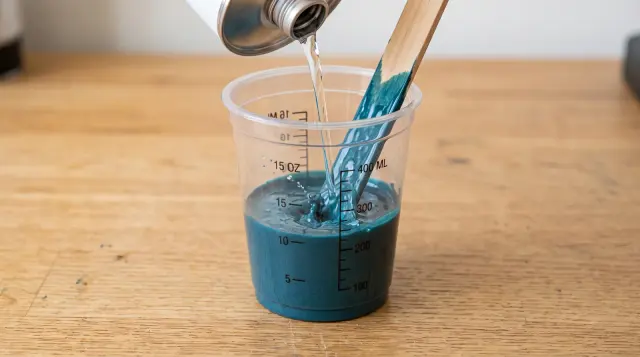 Learn
LearnPaint Reducer and Mixing
Paint reducer is a solvent added to paint before application to thin it to the proper viscosity for spraying — paint straight from the can or mixing cup is…
Read the guide →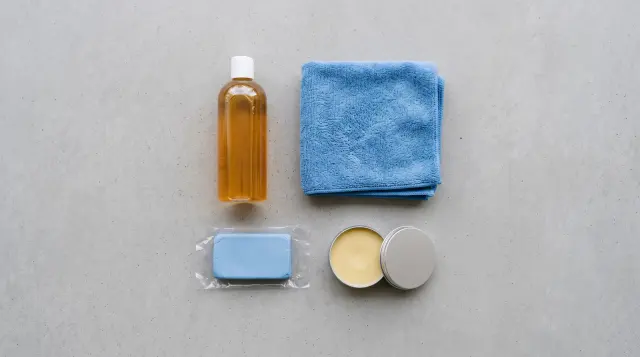 Learn
LearnPaint Cleaner and Care Products
Paint cleaner and care products cover the range of items used to maintain, protect, and occasionally correct automotive paint after it's applied — distinct from…
Read the guide →Need the exact factory code?
Pick your make, find the code on your door jamb or via your VIN, and match it with confidence.