On this page
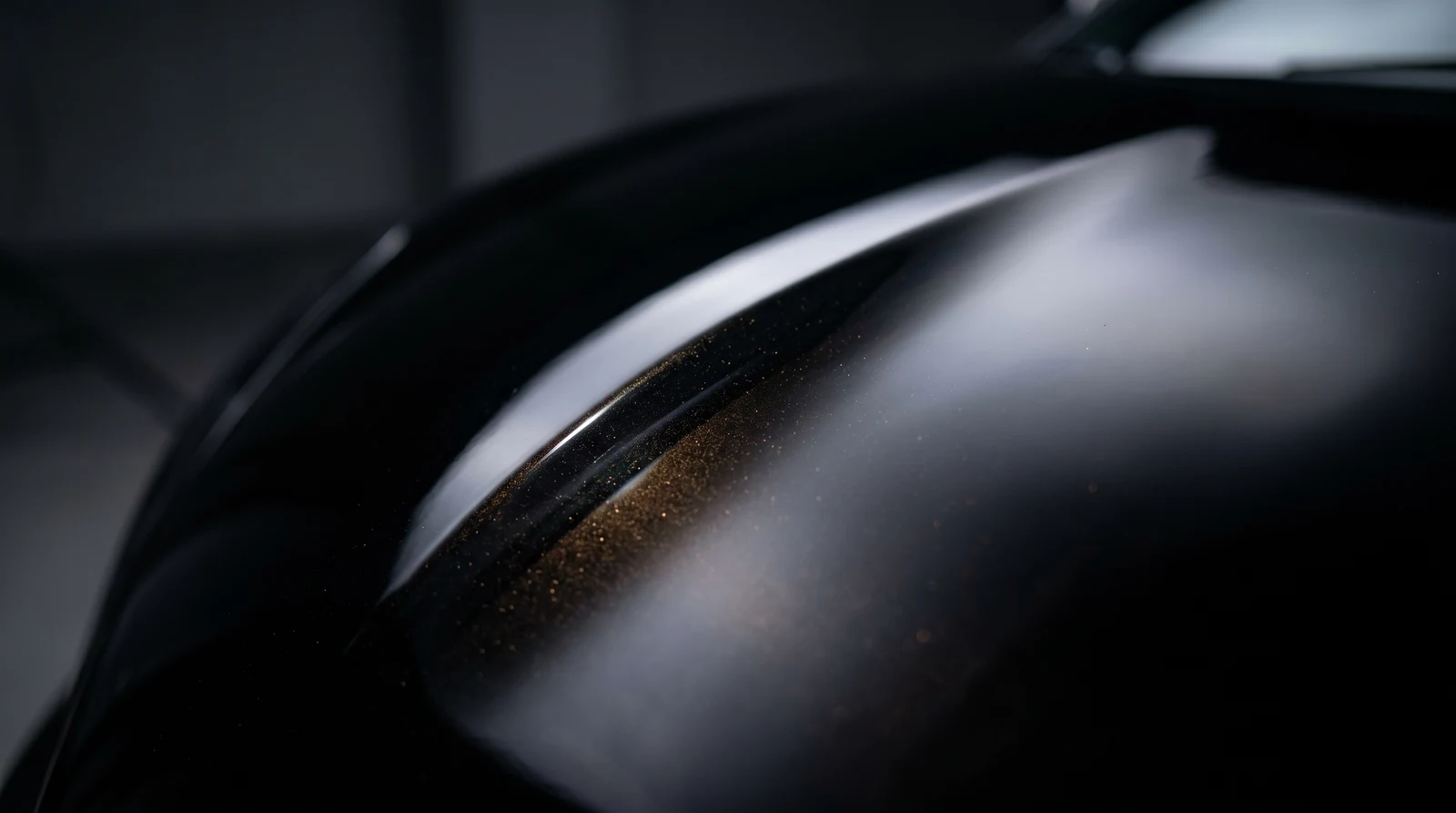
Candy black uses the same layered candy technique as brighter candy colors — reflective base, translucent tinted top coat, clear seal — but applies it with a black or near-black tint. The result isn't just “black with sparkle”; it's a black with real depth and a faint warmth or coolness (depending on the exact tint used) that a standard solid or metallic black doesn't have.
Where Candy Black Came From
Candy black grew out of the same custom car and lowrider paint culture that produced candy apple red and other classic candy colors, but it took longer to become popular since black already reads as a dramatic, premium color on its own — adding candy depth to black was initially seen as a subtle refinement rather than a dramatic transformation, which is exactly its appeal to builders who want something most people won't immediately notice but will feel is different.
How Candy Black Is Applied
A highly reflective silver or black-silver base coat is sprayed first, followed by one or more passes of a black-tinted transparent top coat. More tint passes push the result toward a flatter, more opaque black; fewer passes let more of the reflective base show through at the edges and high points, which is where the real depth comes from.
What Candy Black Looks Like in Different Light
In flat or indoor light, candy black can look close to an ordinary deep black. In strong direct sunlight, especially at an angle, the reflective base underneath becomes visible as a subtle glow or sheen moving across the surface — a quality standard solid black can't reproduce no matter how well it's polished.
Caring for a Candy Black Finish
Because the color depends on a thin translucent tint layer, the same care rules as other candy finishes apply: gentle washing, careful polishing, and UV protection to keep the tint from fading unevenly over years of sun exposure.
Candy Black vs. Other Finishes
Against solid black, candy black offers more visual depth for a real cost and repair-complexity increase. Against metallic black, candy black's depth comes from light passing through layers rather than flake catching light directly, which gives it a smoother, more liquid-looking shift rather than a sparkle.
How Long Candy Black Lasts
Clear coat protects the tint layer, but like all candy finishes this is a more delicate system than a solid or standard metallic color — deep scratches that cut through to the base coat are more visible and harder to blend invisibly than on a simpler paint system.
Which Vehicles Suit Candy Black Best
Candy black tends to appeal to owners who want their car to look like a standard black at a glance but reveal something more distinctive up close or in the right light — a common choice on custom builds and specialty trims rather than everyday factory options.
Cost Considerations
As a multi-layer candy finish, this is one of the pricier custom paint options at a body shop, generally costing more than both solid and metallic black jobs due to the extra tinted layer and the skill required to apply it evenly.
Common Misconceptions About Candy Black
A frequent misconception is that any very deep, glossy black qualifies as “candy black.” True candy black specifically requires the layered base-coat-plus-tinted-topcoat construction; a solid black with a high-quality clear coat can look extremely glossy without being a candy finish at all.
Frequently Asked Questions
Is candy black the same as midnight black or jet black?
No — those are typically solid or metallic colors with a particular undertone, while candy black specifically uses the layered tinted-clearcoat-over-reflective-base technique, which is a different construction method entirely.
Can you tell candy black apart from regular black in a photo?
It's genuinely difficult in flat lighting. The difference shows up best in person, in direct sunlight, or in video where the camera can catch the light moving across the surface.