On this page
Black has been the default answer to "what's the most popular car color" for the better part of two decades, and it's easy to see why: it reads as premium on almost any body style, hides a multitude of factory panel-gap sins, and pairs with literally any trim, wheel, or interior combination without a second thought.
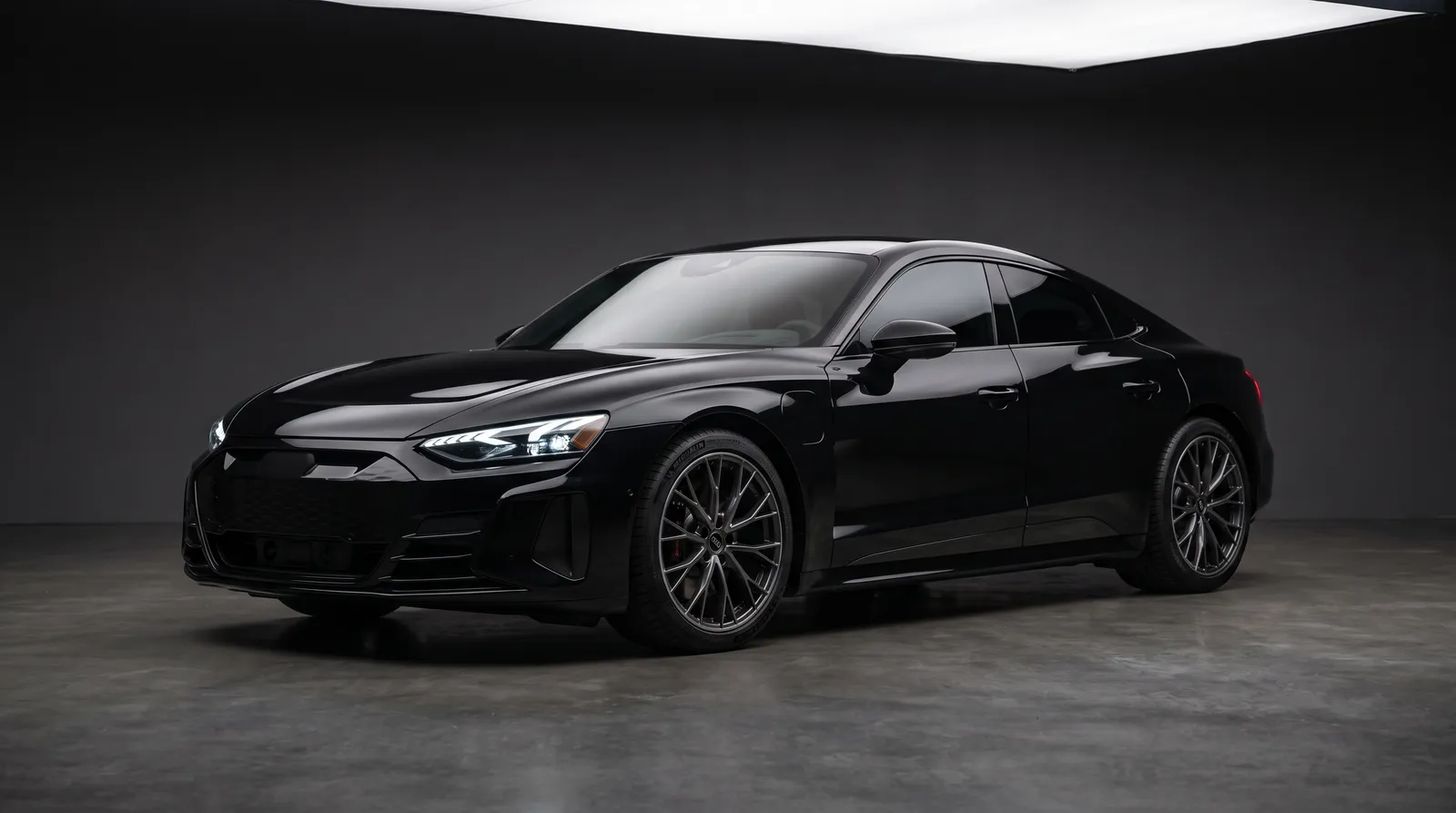
What black doesn't do is hide anything on the surface. Every swirl mark, every bit of road dust, every water spot shows up starkly against a true black finish in a way it simply doesn't on a mid-tone gray or silver. Choosing black is as much a maintenance commitment as it is a style choice.
Where Black Came From
Black has been available as a vehicle color since the very beginning of automobile manufacturing, famously associated with early mass production where, for a period, black was virtually the only color offered due to how quickly its paint could dry compared to other available pigments of the era.
Since then it's cycled between being seen as purely practical and being positioned as the ultimate premium choice, and today it comfortably holds both reputations at once — equally at home as a budget fleet color and a luxury flagship's signature look.
What Makes Black a Popular Choice
Black's popularity spans every vehicle category — it's the default premium choice on luxury sedans, a common performance-trim color on sports cars, and a strong seller on trucks and SUVs where its formal, understated look contrasts with the vehicle's size. It's also the safest resale bet among non-neutral colors precisely because it never looks dated the way a trend color can.
Fleet and commercial buyers favor it too, both for the professional appearance and because black touch-up and repair work is the most straightforward to source and match, given how common the color is.
Is Black Right for You?
The decision to go with black usually isn't really a decision about the color itself — it's a decision about how much time you're willing to spend keeping a vehicle looking its best. If regular detailing is already part of your routine, or you're planning to have the vehicle professionally maintained, black rewards that effort more visibly than almost any other color, with a depth and formality that's hard to replicate.
If you know realistically that washes will be infrequent and mostly automated, it's worth being honest with yourself that a black vehicle will show that neglect faster and more obviously than a gray, silver, or white one would. This isn't a knock on the color — it's just the tradeoff that comes with choosing the most visually unforgiving finish on the market.
For buyers set on black but worried about the upkeep, a satin or matte black variant is worth considering as a middle ground: you still get the dark, formal presence, but fine swirl marks are considerably less visible on a non-gloss surface than on a mirror-polished one.
It's also worth thinking beyond the moment of choosing and picturing the vehicle a few years in — colors that photograph beautifully fresh out of a detail sometimes ask more of an owner over time than expected, while a color that seemed plain at first can turn out to be the one you never have to think about. Talking to current owners of the same color, through online owner communities or local car meets, is one of the most reliable ways to get an honest, lived-in read on a shade before committing to it yourself.
How Black Looks in Different Light
True black doesn't shift much with light the way a metallic or pearl color does — its whole character comes from how much it reflects rather than how it changes hue. In bright direct sun a clean, well-maintained black panel throws a near-mirror reflection; in flat overcast light it can look almost matte even with a full gloss clear coat, simply because there's less light to bounce.
It's also worth checking how a color reads under artificial lighting specifically, since showroom halogen or LED lighting, streetlights at night, and your own garage's bulbs can each cast a slightly different color temperature that shifts how the paint appears compared to natural daylight. If you're choosing between two close shades, viewing physical samples under your own garage or driveway lighting — not just in a showroom — will give you the most accurate sense of how the color will actually look where you'll see it most.
Caring for a Black Paint Job
This is where black asks the most of an owner. Every micro-scratch from an automatic car wash brush, every dust wipe with a dry cloth, and every bit of pollen or hard water shows up as a visible mark against the dark, glossy surface. A proper wash routine — two-bucket hand wash, microfiber towels, regular clay-bar and polish sessions — makes a bigger visible difference on black than on almost any other color.
Heat is the other factor: black absorbs more solar energy than lighter colors, which can mean a noticeably hotter interior and dashboard after time parked in direct sun, and slightly more UV stress on the clear coat over the vehicle's life.
A simple, consistent routine matters more than any single specialized product: rinse loose dirt before touching the surface to avoid grinding grit into the clear coat, wash with a dedicated car-wash soap rather than household detergent, and dry with a clean microfiber towel instead of letting water air-dry and spot. Applying a wax or synthetic sealant every few months adds a sacrificial layer that takes the brunt of minor environmental damage instead of the clear coat itself.
Black in Hot and Cold Climates
Hot, sunny climates are the toughest environment for black paint on two fronts: UV stress on the clear coat over time, and genuinely higher interior cabin temperatures from the color's heat absorption. Owners in places like Arizona or Texas often invest in reflective windshield shades specifically because of how much hotter a black interior gets compared to a lighter-colored vehicle.
In snowy climates, black shows road salt and grime starkly, making regular washing through winter more important for black than for almost any other color to avoid a dull, chalky look setting in.
Wheel, Trim & Interior Pairings
Black is famously flexible — it pairs cleanly with literally any wheel finish, from bright chrome to matte black, and works with any interior color from stark white to deep black.
Black wheels on a black body create a blacked-out, aggressive look that's become especially popular on performance and truck trims; contrasting silver or chrome wheels instead emphasize the vehicle's shape more distinctly.
Black Finish Options
Black spans the widest finish range of any color on this site — gloss, matte, satin, jet black, and tuxedo black are all effectively black with a different surface treatment. If flat gloss black isn't quite what you're picturing, our matte black and gloss black finish pages break down exactly how each one differs in look and upkeep.
If you're unsure which specific finish variant you want, it's worth looking at a few physical samples side by side rather than deciding from photos alone — finish texture in particular is notoriously hard to judge accurately on a screen, and small differences in gloss level can change the overall impression of a color more than you'd expect.
Factory Colors Named Black
1087 factory colors from different manufacturers have a name that includes “black”. Here are the closest matches. The paint code is what you need to order matching paint; the on-screen swatch is only an approximation.
| Make and model | Factory color | Paint code | Years |
|---|---|---|---|
| Chevrolet Blazer | Black | GBA | 1930–2026 |
| Chrysler 200 | Black | PX8 | 1983–2026 |
| Jeep Compass | Black | PX8 | 1974–2026 |
| Mercedes A | Black | 40 | 1998–2026 |
| Mercedes AMG-G63 | Black | 040 | 1998–2026 |
| Mercedes AMG-GT | Black | 040/9040 | 1998–2026 |
| Porsche 718 | Black | 041 | 2000–2026 |
| Porsche Cayenne | Black | L041/741/A1 | 2003–2026 |
| Ram | Black | PX8 | 2011–2026 |
| Toyota 4Runner | Black | 202 | 1970–2026 |
| GM | Black | GBA | 2010–2025 |
| Rolls Royce | Black | R01 | 2016–2025 |
| Dodge Caravan | Black | PX8 | 1935–2024 |
| Ford | Black | UAWAXPD | 2023–2024 |
Matching Your Factory Black
Black sounds like it should be the easiest color to match, but manufacturers run several distinct black formulations (jet black, tuxedo black, and various "black" trim names) that are subtly different in depth and undertone. Always confirm your exact factory code before touch-up or panel work so a repair doesn't end up a shade off next to the rest of the car.
Finding the code usually starts with the driver's-side door jamb, where most manufacturers place a sticker listing the paint code alongside the VIN and other build information; some brands instead list it inside the glovebox, trunk lid, or under the hood near the strut tower. If that sticker is faded, missing, or was replaced during a prior repair, the VIN itself can usually be decoded to recover the original factory paint code, which is the approach our lookup tool is built around.
Cost to Paint Your Car Black
Solid black repaints price at or near the baseline for most job types since it's the most commonly stocked and mixed color in any shop's inventory. Specialty variants like tuxedo or jet black with extra clear coats cost slightly more — full detail in our cost guide.
Beyond the color and finish itself, the biggest factors in any repaint or repair quote are the amount of surface prep needed (rust, dents, or old damage add time), how many panels are involved, and whether the job requires full disassembly of trim and lights to get clean, sprayed-in edges. A single-panel touch-up naturally costs a small fraction of a full respray, so it's worth being specific with any shop about exactly what you need done before comparing quotes.
Common Misconceptions About Black
A common misconception is that all factory blacks are the same — in reality, manufacturers frequently offer multiple distinct black formulations (standard, jet, tuxedo, and others), and using the wrong one for a repair can result in a visible mismatch even though both paints are technically "black."
Another misconception is that black paint itself is somehow more fragile or prone to damage than other colors; the paint chemistry is generally the same, it's simply that any imperfection is far more visible against black's reflective, high-contrast surface.
A related misconception worth addressing directly: online photos are a genuinely unreliable way to judge any color precisely, since phone cameras and displays each process color slightly differently, and listing photos are frequently color-corrected or shot under mixed lighting. Whenever a specific shade matters to a purchase or repair decision, a physical sample viewed in person — ideally outdoors in natural light — remains the only fully reliable reference.
Before You Commit: A Quick Checklist
- Be honest with yourself about your realistic washing and detailing frequency before committing.
- Consider a satin or matte black if gloss black's maintenance demands feel like too much.
- Confirm the exact black formulation (standard, jet, or a named premium variant) via your factory code.
- Ask about ceramic coating options to extend the time between full details.
Frequently Asked Questions
Why does my black car show scratches other colors don't?
It's a contrast effect — a scratch disrupts the paint's reflection, and against a dark, glossy background that disruption is far more visible to the eye than the same scratch would be against a lighter or matte surface.
Is black paint more expensive to maintain long-term?
Not in parts or paint cost, but in time and detailing products, yes — keeping black looking its best takes more frequent care than most other colors.
What's the difference between jet black and standard black?
Jet black generally refers to the deepest, most saturated black formulation a manufacturer offers, often with a richer, glossier finish than a standard black trim color. See our jet black finish page for specifics.
Does black paint fade?
Less than reds and some blues, but yes over many years of UV exposure a black clear coat can dull or develop a slight haze, which is why regular polishing and UV-protectant products matter.
Is there a black that's easier to maintain than standard gloss black?
Satin and matte black variants show fine swirl marks considerably less than gloss black while keeping the same dark, formal presence.
Do all manufacturers' blacks look the same?
No — depth, gloss level, and slight undertones vary between manufacturers and even between trim names like standard black, jet black, and tuxedo black.
Does black paint affect a vehicle's resale value?
Black consistently performs among the strongest colors for resale value, reflecting its broad, enduring appeal across nearly every vehicle category.
Is ceramic coating worth it specifically for black cars?
Many detailers consider it especially worthwhile on black given how much it improves scratch resistance and shine retention on a color that shows every imperfection.
Look Up the Exact Code
Want to match black exactly, whether it's a factory color or a custom mix? Use the color code tool to find the manufacturer code for your specific make and model, or browse custom color options.