On this page
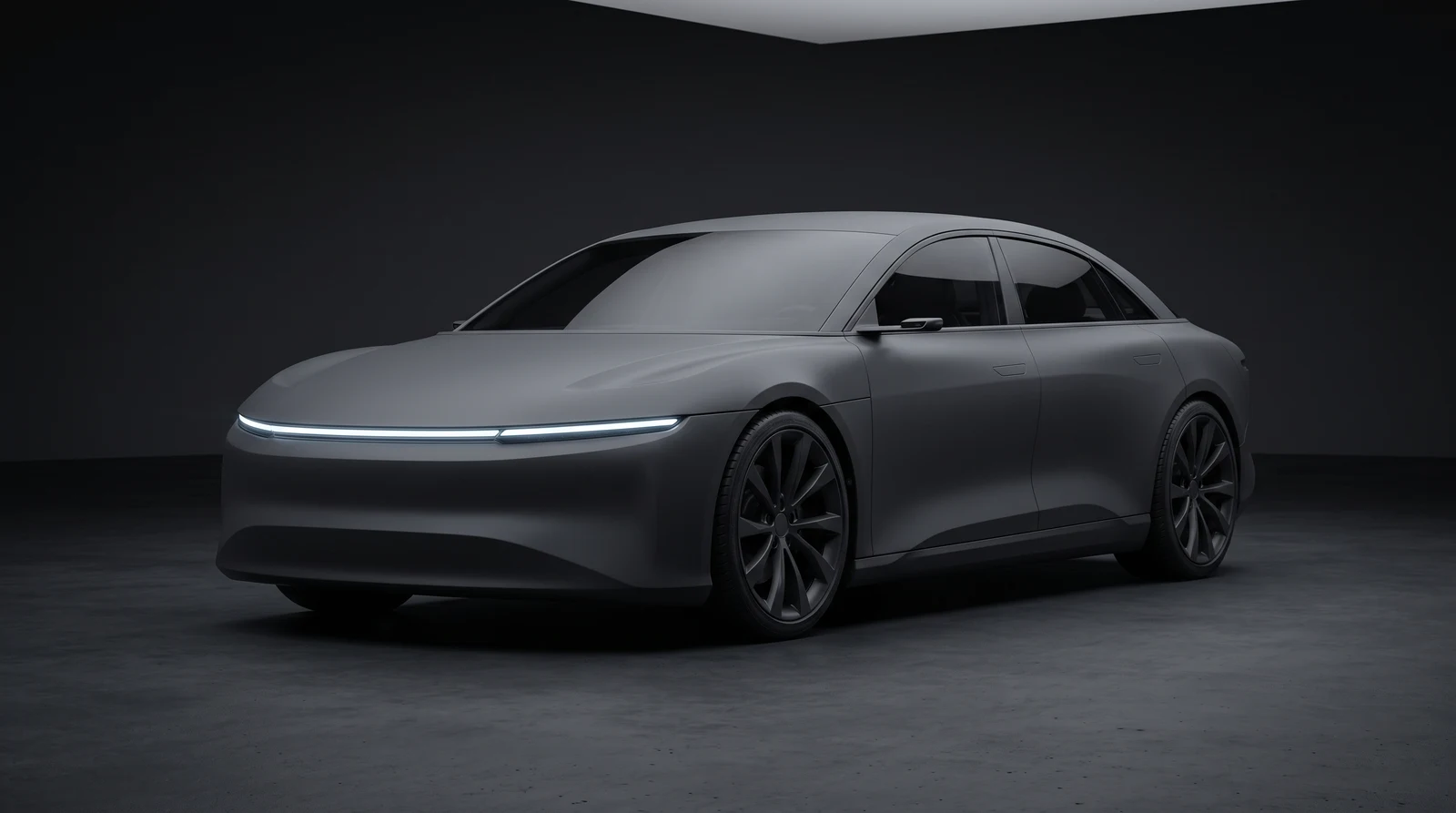
Matte automotive paint refers broadly to any finish sealed under a non-reflective clear coat rather than standard glossy clear — the defining trait isn't a specific color, but the flat, low-sheen surface that scatters light instead of reflecting it cleanly. It can be applied to almost any base color, though dark neutrals like black and gray remain the most common choices.
Where Matte Automotive Paint Came From
Matte paint moved from a niche custom and racing look into a genuine factory option over the past two decades, as clear coat chemistry advanced enough to produce a durable, consistent matte finish directly from the factory rather than relying on aftermarket treatments or vinyl wraps to achieve the look.
How Matte Automotive Paint Is Applied
The process starts the same as any paint job — base color applied and allowed to flash — but finishes with a specially formulated matte clear coat instead of standard gloss clear. The matte clear contains flattening agents that scatter light at the microscopic surface level, which is what produces the non-reflective look.
What Matte Automotive Paint Looks Like in Different Light
Matte paint's biggest practical advantage shows up in photography and everyday viewing: there's no harsh glare or distracting reflection to manage, and the car looks nearly identical in bright sun, shade, or overcast conditions since it isn't bouncing light the way glossy paint does.
Caring for a Matte Automotive Paint Finish
Matte paint requires dedicated matte-safe wash and care products — standard wax, many spray detailers, and most polishing compounds will leave shiny patches that permanently disrupt the flat look. Touchless or hand washing with matte-specific soap is the standard recommended care routine.
Matte Automotive Paint vs. Other Finishes
Compared to gloss, matte trades shine and easy spot-polishing for a distinctive, modern look and reduced glare, at the cost of significantly higher care requirements and repair complexity. Compared to satin, true matte paint is flatter and more dramatic in its lack of reflection, while satin retains more visible depth and shine.
How Long Matte Automotive Paint Lasts
Matte clear coats are generally less resistant to scratching than gloss, and damage typically can't be polished out — a deep scratch or contact with the wrong chemical can require a full panel respray rather than a simple buff-out.
Which Vehicles Suit Matte Automotive Paint Best
Matte paint suits owners specifically seeking a distinctive, non-traditional look who are prepared to commit to its particular care routine — it's a strong aesthetic choice rather than a convenient, low-maintenance option.
Cost Considerations
Matte finishes are consistently among the most expensive factory paint options and carry correspondingly high repair costs, since panel damage usually requires a full respray rather than the simpler polish-and-buff repairs possible on gloss paint.
Common Misconceptions About Matte Automotive Paint
A common misconception is that matte paint is simply unfinished or unpolished gloss paint. It's a fully engineered, distinct clear coat formulation — not a lack of finishing, but a deliberately different one with its own application process and cost.
Frequently Asked Questions
Can matte paint be converted to gloss later?
Yes, a shop can sand down the matte clear coat and apply a standard gloss clear over the existing color, effectively converting the finish, though it's a real respray job rather than a quick fix.
Does matte paint protect the car as well as gloss?
The underlying protection against UV and environmental damage is comparable, but matte clear coat is generally more vulnerable to scratches and chemical staining, and damage is harder to repair invisibly.