On this page
Painting a classic car or hot rod carries different priorities than a modern vehicle repaint — period-correct color accuracy often matters for authenticity and resale value among collectors, and the underlying bodywork on an older vehicle frequently needs more extensive attention before paint even enters the picture.
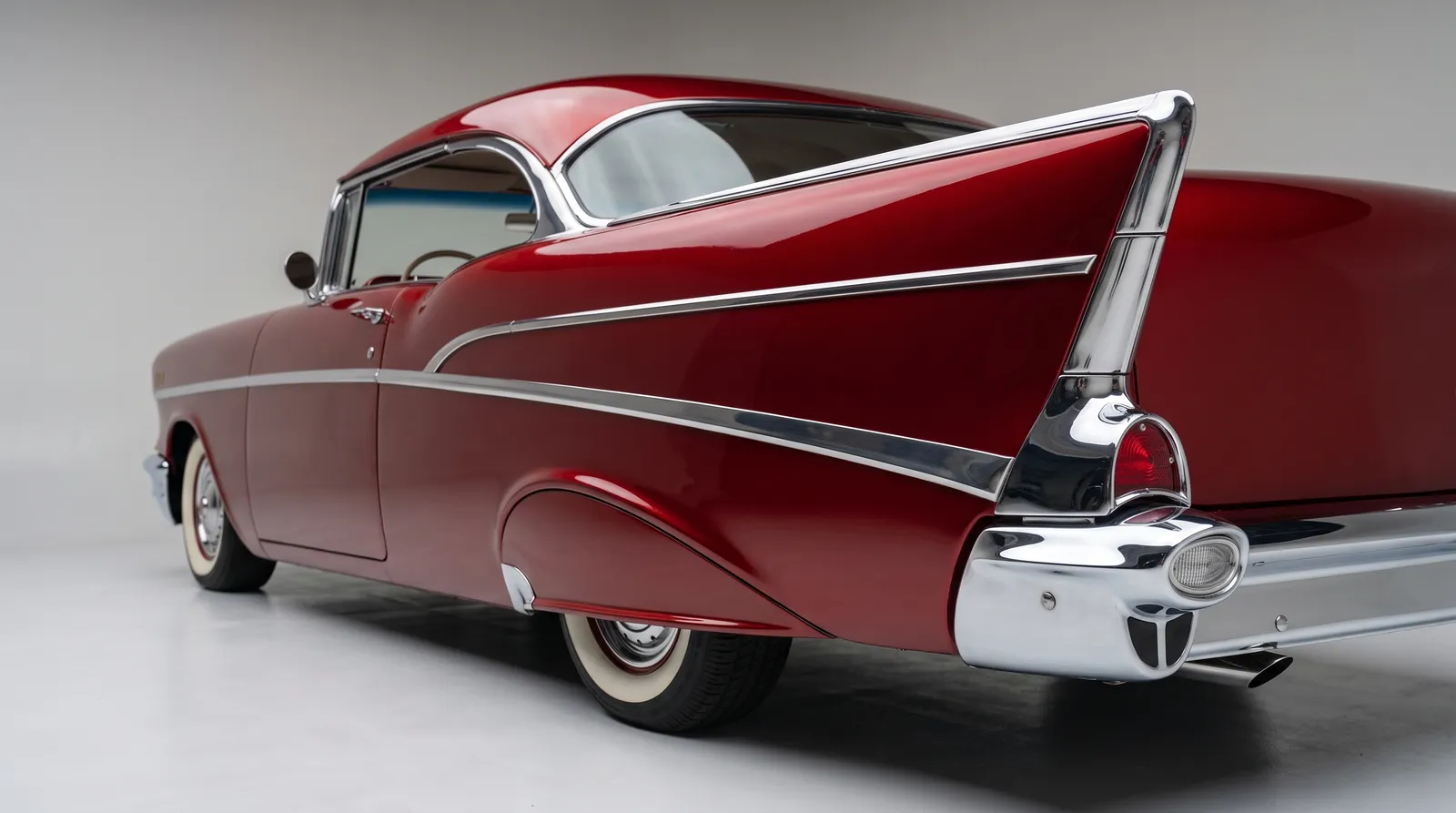
Hot rod and custom classic builds occupy a related but distinct space, where the goal isn't necessarily factory-original accuracy but a deliberately chosen custom look, often incorporating specialty finishes like candy or metal flake that have deep roots in that specific culture.
What's Involved
Classic car paint work typically starts with a much more thorough assessment than a modern vehicle, given the likelihood of rust, prior amateur repairs, and original bodywork that may need restoration before painting can even begin. Period-correct restorations require sourcing or accurately matching the vehicle's original factory color and code, which can take real research for older or rarer vehicles.
Custom hot rod projects instead involve a design and color consultation phase, often incorporating specialty finishes, and may include bodywork modifications (channeling, chopping, smoothing) that go well beyond what a standard repair or repaint project would involve.
The Process, Step by Step
For a restoration, the process usually begins with extensive bodywork to address rust and prior damage, often including metal fabrication or panel replacement for severely deteriorated areas, before moving into standard paint prep, primer, base coat, and clear coat stages using the correct period color.
For a custom hot rod build, the process is similar in its paint fundamentals but often involves more extensive bodywork and shaping beforehand, followed by the chosen custom color and finish, which may include multiple specialty layers for candy or flake effects.
Timeline
Classic car and hot rod paint projects typically take considerably longer than a modern vehicle repaint — often several weeks to multiple months — reflecting both the more extensive bodywork frequently required and the more involved, sometimes multi-stage specialty finishes common in this space.
Shops specializing in classic and custom work often have longer booking lead times too, given the specialized skill required and typically smaller number of shops offering this level of expertise.
Cost Factors
Cost is driven heavily by the condition of the underlying vehicle (extensive rust or prior damage significantly increases bodywork costs), the complexity of the chosen finish, and the shop's specific expertise and reputation in classic or custom work, which commands a premium over general body shop rates.
A basic, solid-color respray on a classic car in good structural condition can be relatively comparable to a modern vehicle repaint; a full restoration with significant bodywork and a specialty finish can cost substantially more.
Materials & Paint Quality
Modern base coat/clear coat systems generally offer better UV resistance and durability than the original single-stage paints many classic vehicles came with, which is why most restorations today use modern paint technology even while matching a period-correct color. Purist restorations aiming for complete originality sometimes specifically request single-stage paint instead, accepting the tradeoff in modern durability for authenticity.
For hot rod and custom builds, premium specialty paint systems (true candy, high-quality metal flake) cost meaningfully more than budget alternatives marketed as similar effects, and the difference in depth and longevity is usually visible.
Aftercare
Given the investment involved in a classic or custom paint project, many owners choose to store the vehicle covered or garaged specifically to protect the finish, along with a more careful, hand-wash-only care routine rather than automatic car washes.
For show cars specifically, a dedicated show-car detailing routine — careful hand washing, high-quality wax or ceramic protection, and minimal UV exposure — helps preserve the paint's depth and gloss for the vehicle's public appearances.
Photograph your vehicle thoroughly, including any existing damage or prior repair work, before starting the project — useful both for your own records and for discussing scope accurately with your chosen shop.
Choosing a Color and Finish
For period-correct restorations, research into your vehicle's original factory color and code is the starting point — owner clubs, historical documentation, and specialty classic-car paint suppliers are valuable resources beyond a general reference site.
For custom hot rod builds, our finish guides covering candy, metallic, and pearl options are directly relevant, since these specialty finishes are especially common in hot rod and custom culture.
What to Ask Before You Commit
Ask specifically about the shop's experience with your vehicle's era and type, since classic car bodywork and paint techniques differ meaningfully from modern vehicle repair. For restorations, ask how they source or verify period-correct color accuracy; for custom builds, ask to see examples of similar specialty finish work.
Given the longer timelines and higher costs typical of this category, also ask about payment structure, whether work is billed in phases, and what happens if unexpected bodywork issues are discovered once the project is underway.
Finally, ask how the shop handles unexpected discoveries once bodywork begins, such as additional rust or prior repair issues found only after disassembly — a clear communication and approval process for scope changes avoids surprises on the final bill.
Frequently Asked Questions
How do I find the original factory color for a classic car?
Owner clubs and historical documentation for your specific make and model are excellent starting resources, along with any remaining original paint in protected areas (inside door jambs, under trim) that hasn't been exposed to UV fading.
Is hot rod paint work more expensive than restoring original color?
It varies by project — a straightforward custom solid color can be comparable to a restoration in original color, while elaborate multi-stage candy or flake finishes typically cost more given the additional layers and labor involved.
Does classic car paint use different materials than modern car paint?
Modern base coat/clear coat systems are generally used today even on classic restorations for durability, though some purist restorations specifically use period-correct single-stage paint for authenticity.
How long should I expect a full classic car restoration paint job to take?
Depending on the vehicle's condition and the shop's approach, a full restoration paint project often takes several weeks to a few months, particularly when significant bodywork is required first.
Can a modern body shop handle classic car paint work, or do I need a specialist?
While some general shops have relevant experience, a specialist familiar with classic vehicles' specific bodywork challenges and period-correct techniques generally delivers a more satisfying result for this category of work.
Does a period-correct paint job increase a classic car's value more than a custom color?
For serious collectors and at auction, period-correct originality often commands a premium; for personal enjoyment builds, a well-executed custom color can be equally or more valuable to that specific owner, though it may narrow the pool of collector buyers.
Can I do some of the bodywork myself before bringing it to a paint shop?
Some owners handle basic disassembly or rust removal themselves to reduce costs, though it's worth discussing with your shop upfront, since inconsistent DIY prep work can sometimes complicate the professional painting process.
Should I get an appraisal before starting a restoration paint project?
For valuable or rare classics, a pre-project appraisal can help you understand the vehicle's value and make informed decisions about how much to invest in the restoration.
Do hot rod builders typically handle both bodywork and paint, or are these separate specialists?
It varies by shop — some offer full-service builds covering both, while others specialize in one or the other, requiring you to coordinate between a fabrication shop and a paint shop.
Should I get the vehicle's structural integrity checked before investing in paint?
Yes, especially for older vehicles — confirming the frame and structural components are sound before investing in paint avoids spending on cosmetics that a structural issue could later compromise.
Does location affect the price?
Yes — labor rates and material costs vary meaningfully by region, so the same job can price differently between a major metro area and a smaller local market. Get quotes locally rather than relying on a national average.
Are there tax or registration implications for a significant custom paint change on a classic vehicle?
This varies by jurisdiction — some regions require updating vehicle records for significant modifications, so it's worth checking local requirements for your specific situation.