On this page
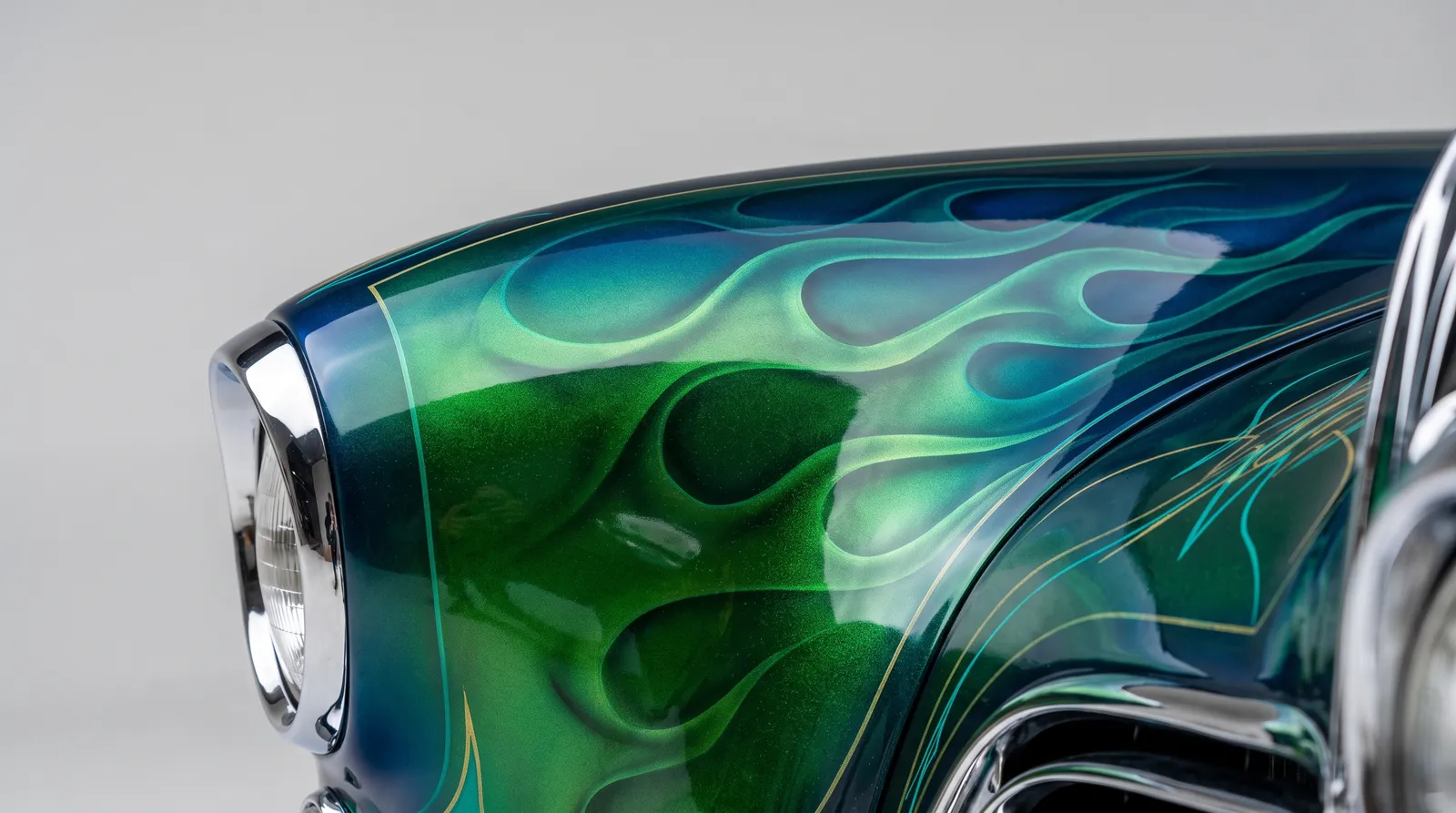
A custom paint job means repainting a vehicle in a color, finish, or combination that goes beyond restoring the original factory look — whether that's a completely different color, a specialty finish like candy or pearl, custom graphics, or a two-tone treatment. It's fundamentally a bigger, more involved project than a repair, since the whole vehicle (or at least every visible panel) goes through the full paint process.
The range within "custom paint job" is enormous, from a straightforward solid color change using mainstream paint through to elaborate multi-stage candy builds with custom graphics — understanding where your specific project falls on that spectrum is the first step to getting an accurate quote and timeline.
What's Involved
A full custom paint job involves disassembling as much trim, lighting, and hardware as needed to get clean, professional edges rather than painting around obstacles, thorough surface prep (sanding down to bare metal or a sound existing base, addressing any rust or damage), primer, the chosen base coat and finish layers, and multiple clear coats, followed by wet sanding and polishing for a final show-quality shine.
For anything beyond a straightforward solid color, expect additional steps: masking and multiple passes for two-tone or graphics work, extra clear coats and cure time for candy or pearl finishes, and more careful color-matching work if any portion of the original paint is being retained.
The Process, Step by Step
Most shops start with a consultation to nail down exactly what you want — color, finish, any graphics or two-tone elements — often including physical samples or a test panel before committing to the full vehicle. The vehicle then gets disassembled as needed, followed by full surface prep and any bodywork required.
Painting itself happens in a controlled spray booth environment, applying primer, base coat, and clear coat in careful sequence with appropriate cure time between stages. After final clear coat cures, the vehicle goes through wet sanding and polishing to bring out maximum gloss, then reassembly of all trim and hardware that was removed.
Timeline
A straightforward solid color custom paint job typically takes one to two weeks from drop-off to completion, accounting for prep, painting, cure time, and reassembly. More elaborate projects — candy or pearl finishes, custom graphics, extensive bodywork — can extend to several weeks or longer, particularly at shops with a backlog of custom work.
It's worth asking your shop for a specific timeline estimate upfront and understanding which parts of the process (cure time between coats, in particular) can't be rushed without compromising the final result.
Cost Factors
The biggest cost drivers are the complexity of the finish (solid color costs least, candy and multi-stage pearls cost considerably more), how much bodywork or prep is needed, the amount of disassembly required for clean results, and any custom graphics or two-tone work involved.
Shop labor rates and reputation also factor in significantly — a shop known for high-end custom and show car work will generally price higher than a general body shop, reflecting both their specialized skill and typically higher-quality materials.
Materials & Paint Quality
Paint quality varies significantly between suppliers, and this is one area where cutting costs shows up over time — budget paint systems can fade, yellow, or lose gloss noticeably faster than premium OEM-grade or high-end aftermarket paint lines. Ask your shop specifically which paint brand and product line they're using, and whether it's the same grade used for insurance-covered collision repairs or a lower-cost alternative marketed specifically for custom work.
Clear coat quality matters just as much as base coat — a premium base coat under a budget clear coat will still be vulnerable to the UV degradation and yellowing that a quality clear coat is specifically engineered to resist.
Aftercare
Fresh paint needs time to fully cure — often 30 to 90 days depending on the specific products used — during which it's more vulnerable to swirl marks, chemical damage from strong cleaners, and should generally avoid waxing until the shop confirms it's ready. Ask your shop for specific aftercare guidance for your particular paint job before picking up the vehicle.
Once fully cured, a regular wash and wax or ceramic coating routine appropriate to your specific color and finish (see our individual color and finish guides for specifics) will keep a custom paint job looking its best for years.
Keep a folder of reference photos, physical samples, and notes from your research phase — having this ready when you meet with a shop makes the consultation far more productive than trying to describe what you want from memory alone.
Choosing a Color and Finish
This is the fun part, and also where it's worth taking your time — view physical samples in multiple lighting conditions before committing, since a color and finish combination that looks great in a photo or under showroom lights can read very differently in direct sun or your own garage.
Our color and finish guides are built specifically to help with this research phase, covering how different shades and finish types actually look and behave before you commit to a full project.
What to Ask Before You Commit
Before committing, ask about the specific paint brand and product line being used (quality varies meaningfully), what the warranty covers and for how long, whether the quote includes full disassembly and reassembly or just the paint work itself, and what the shop's policy is if you're unhappy with the color match once applied.
It's also worth asking to see examples of the shop's past work in a similar finish to what you're planning, particularly for anything beyond a straightforward solid color.
Frequently Asked Questions
How much does a custom paint job typically cost compared to a standard repaint?
A custom job with a specialty finish or extensive prep work generally costs meaningfully more than a standard single-color repaint, reflecting the additional materials, labor, and time involved — get a specific itemized quote for your project.
Can I supply my own paint for a custom job?
Some shops accept customer-supplied paint, though many prefer to source materials themselves to ensure quality and compatibility — ask your specific shop about their policy.
Do I need to remove all trim and emblems before dropping off my car?
No, this is typically part of the shop's process — full disassembly and reassembly should be included in your quote if it's needed for a clean, professional result.
How do I know if a shop can handle a complex custom finish like candy paint?
Ask to see specific past examples of that finish type in their portfolio — general repaint experience doesn't automatically translate to skill with more specialized techniques.
Will a custom paint job affect my car's resale value?
It depends heavily on the color, quality, and buyer preferences — a tasteful, well-executed custom job can be neutral to positive, while a very personal or unusual choice may narrow your future buyer pool.
Can I get a partial custom job, like just changing the roof or hood color?
Yes, two-tone and accent panel work is a common and often more affordable way to get a custom look without repainting the entire vehicle.
How long should fresh custom paint cure before waxing?
Commonly 30 to 90 days depending on the specific paint system used — ask your shop for guidance specific to your job before applying any wax or sealant.
Can I finance a custom paint job?
Many shops offer financing options or work with third-party financing services for larger custom projects — ask directly about available payment options before committing.
Is a custom paint job worth it for a leased vehicle?
Generally not recommended — lease agreements typically require the vehicle returned in original condition, and reverting a custom paint job before lease-end adds significant cost.
Can I combine a custom paint job with vinyl graphics or a partial wrap?
Yes, many custom projects combine painted base colors with vinyl accents or graphics for a cost-effective way to add detail without fully painting every element.
Can I see a mock-up of my color choice before committing?
Many shops can provide a digital rendering or at least a physical panel sample in your chosen color and finish before starting the full project.
Does location affect the price?
Yes — labor rates and material costs vary meaningfully by region, so the same job can price differently between a major metro area and a smaller local market. Get quotes locally rather than relying on a national average.