On this page
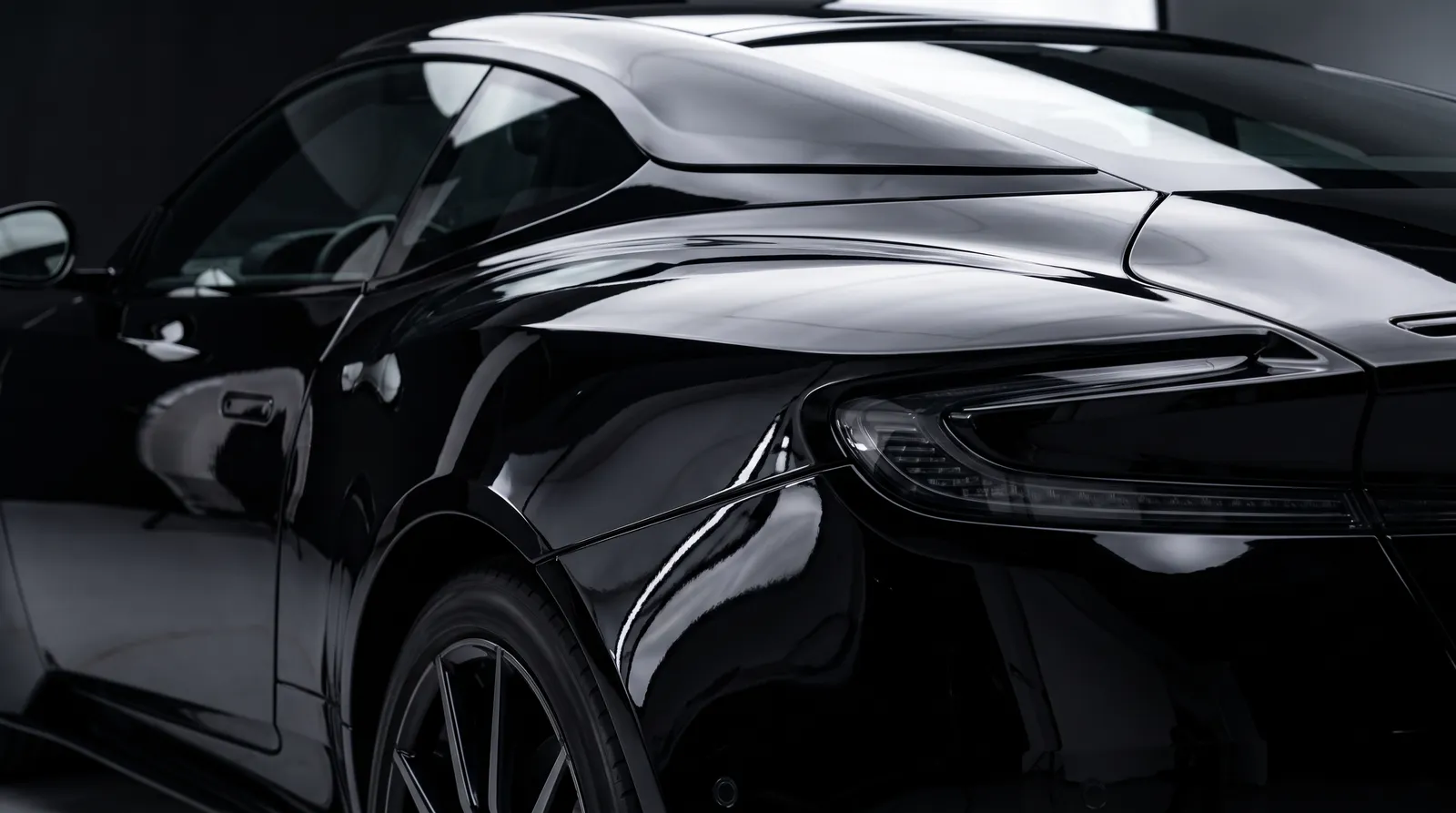
Gloss black is the traditional, default black finish — a smooth, highly reflective clear coat over a black base, producing the deep mirror-like shine most people picture when they think of a "black car." It's the reference point every other black finish (matte, satin, jet) gets compared against.
Its defining quality is maximum reflectivity: light bounces cleanly off a well-maintained gloss black surface, which is exactly what gives it that formal, premium look — and exactly what makes every imperfection so visible against it.
It's also worth thinking about this finish in the context of the whole vehicle rather than in isolation — the same finish can read completely differently on a small coupe versus a full-size truck, simply because of how much surface area is available to show off its particular light behavior. Seeing it applied to a similar body style, not just any vehicle, gives a much more accurate sense of how it will look on your own.
Where Gloss Black Came From
Gloss has been the default, standard automotive clear coat finish since clear coat technology itself became widespread in the latter 20th century, making it the historical baseline every other finish type is ultimately compared against.
How Gloss Black Is Applied
Gloss black uses a standard black base coat finished with high-gloss clear coats, buffed and polished to maximize shine and depth. The process itself is one of the most straightforward and well-understood in the industry, given how common and long-established gloss black is as a finish choice.
Ambient conditions during application matter more than most owners realize — temperature, humidity, and even airflow in the booth all affect how evenly a coat lays down and how consistently it cures. This is part of why the same finish can look subtly different between two shops, or even between two jobs at the same shop on different days, and why asking to see recent examples of a painter's work in this specific finish is worth doing before committing.
What Gloss Black Looks Like in Different Light
Gloss black doesn't shift hue with light the way a metallic or pearl finish does — its character comes entirely from how much it reflects. In bright direct sun, a clean gloss black panel throws a near-mirror reflection; in flat, overcast light, it can look almost matte simply because there's less light available to bounce.
It's worth checking how this finish reads under artificial lighting too, since showroom halogen or LED lighting, streetlights at night, and your own garage's bulbs can each cast a slightly different color temperature that changes how the finish presents compared to natural daylight. Viewing a physical sample under your own everyday lighting, not just in a showroom, gives the most accurate preview.
Caring for a Gloss Black Finish
Gloss black is the most maintenance-demanding finish on this list in terms of visible imperfections — every swirl mark, dust wipe, and water spot shows clearly against its reflective surface. A proper two-bucket wash routine, microfiber towels, and regular polishing make a bigger visible difference here than on almost any other finish.
A simple, consistent routine matters more than any single specialized product: rinse loose dirt before touching the surface to avoid grinding grit into the finish, wash with a dedicated car-wash soap rather than household detergent, and dry with a clean microfiber towel instead of letting water air-dry and spot. Whatever protective product you use, confirm it's specifically rated for this finish type before applying it broadly — a product formulated for gloss can behave very differently on matte or satin.
Gloss Black vs. Other Finishes
Compared to matte or satin black, gloss offers maximum shine and a more formal, traditional look, at the cost of showing every surface imperfection far more readily. Compared to metallic black, gloss (without flake) has a smoother, more uniform reflection rather than metallic's added sparkle and depth.
If you're genuinely undecided between two finish types, viewing physical samples side by side in direct sunlight is far more reliable than comparing photos or descriptions — texture and light response are two of the hardest qualities to judge accurately on a screen, and the difference that looks subtle in a photo can be dramatic in person.
Cost is often the deciding factor when two finishes are otherwise equally appealing — it's worth getting quotes for both options on your specific vehicle before committing, since the price gap between finish types can vary more than expected depending on your shop's specific material costs and experience with each technique.
How Long Gloss Black Lasts
A quality gloss black clear coat is structurally durable and holds up well over the vehicle's life, though maintaining its visual appeal — the deep, swirl-free shine — takes consistent care rather than being something you can simply leave alone.
Real-world durability also depends heavily on where and how the vehicle is kept — covered or garaged storage, consistent washing, and prompt attention to contaminants like bird droppings or tree sap all extend the practical lifespan of any finish's good looks, regardless of the specific type chosen.
Which Vehicles Suit Gloss Black Best
Gloss black suits owners willing to commit to regular detailing and who specifically want the deepest, most traditional black look available, across nearly any vehicle type from luxury sedans to trucks.
Body style matters more than most buyers expect when choosing a finish — flowing, curved panels show off light-reactive finishes like metallic, pearl, and candy more dramatically than flat, boxy panels do, while flatter surfaces can actually suit matte and satin's more uniform, texture-forward look particularly well.
Climate is worth a moment's thought too — finishes with less UV-stable pigments or more delicate textures can ask more of an owner in consistently sunny, high-UV regions than they would in a milder climate, so it's reasonable to factor your local weather into the decision alongside pure aesthetics.
Cost Considerations
Gloss black is one of the most cost-effective finishes to match and repair given how universally available and well-understood it is — see our cost guide for typical pricing.
Beyond the finish category itself, the biggest cost factors in any project are the amount of surface prep needed, how many panels are involved, and whether trim and lighting need to be removed for clean, sprayed-in edges. It's worth getting an itemized quote so you can see exactly how much of the total cost is tied to the finish choice specifically versus general prep and labor.
Common Misconceptions About Gloss Black
A common misconception is that gloss black requires no special care beyond regular washing — in practice, its unforgiving reflectivity rewards a more dedicated detailing routine than almost any other finish.
Frequently Asked Questions
Is gloss black the same as standard black?
Essentially yes — "gloss" describes the traditional shiny clear coat finish that most standard black paint jobs use by default, as opposed to matte or satin alternatives.
How often should a gloss black car be washed?
More frequently than lighter colors if you want to keep swirl marks and water spots from accumulating — many gloss black owners wash weekly or more.
Can gloss black be converted to matte or satin later?
Yes, through a wrap or a repaint with a matte/satin clear coat, though this is a genuine change to the vehicle rather than a simple product application.
Does ceramic coating help with gloss black's maintenance demands?
Significantly — a quality ceramic coating adds real scratch and water-spot resistance and makes day-to-day cleaning noticeably easier.
Does gloss black affect insurance or resale differently than a standard finish?
Finish type doesn't affect insurance rates, and its resale impact is generally minor compared to the underlying color choice and the vehicle's overall condition.
Can gloss black be applied by most body shops, or does it need a specialist?
Many general body shops can handle it competently, though for more involved finishes it's worth specifically asking about the shop's experience with this finish type before committing.
How do I know if my vehicle already has gloss black?
Check your factory paint or trim code, typically on a door jamb sticker, or look closely at the panel in direct sunlight for the specific texture and light behavior this finish produces.
Is gloss black a good choice for a vehicle I plan to sell in a few years?
It's generally fine — finish type has a modest effect on resale compared to color choice and overall vehicle condition, though very niche or high-maintenance finishes can narrow your buyer pool slightly.
Can I mix gloss black with a different finish on the same vehicle?
Yes, two-tone and multi-finish combinations (for example, a gloss body with a matte hood or roof) are increasingly common and can be planned deliberately with your painter.
Does gloss black need any special preparation before a wrap can be applied over it?
If you're considering a vinyl wrap over this finish later, mention that to your painter upfront — surface texture and gloss level both affect how well a wrap adheres and how it will look.
Where can I see real examples of gloss black before deciding?
Ask your shop for photos of recent work in this exact finish, or check local car meets and online owner communities, where you can often see it in a range of natural lighting conditions rather than a single studio shot.