On this page
"Paint repair" covers a wide range of jobs, from a single touched-up chip to a full panel respray after a dent or scrape, and the right approach depends entirely on the specific type and scale of damage. This guide covers the general decision-making process for figuring out what your vehicle actually needs, with links to more specific guides for chips, touch-ups, and restoration work.
The most important first step for any paint repair is an honest assessment of scale: is this cosmetic and isolated, or does it involve underlying bodywork (a dent, a crease, structural damage) that needs to be addressed before paint even enters the picture?
What Causes This
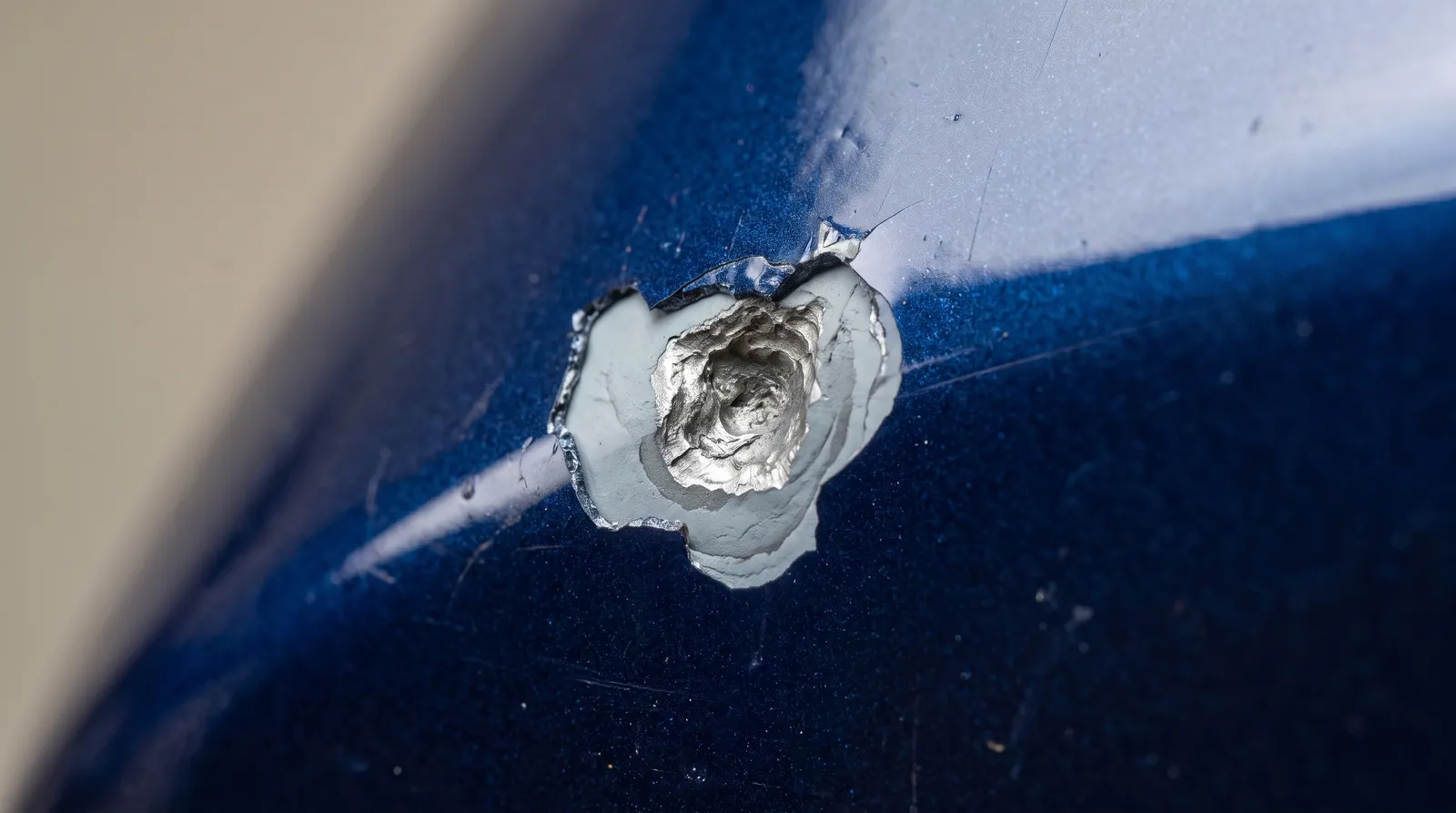
Paint damage broadly falls into a few categories: impact damage (chips, dents with paint damage, collision-related), abrasion damage (scratches, scuffs from contact with another surface), and environmental/age-related damage (fading, oxidation, clear coat failure, peeling). Each has a different root cause and a correspondingly different fix.
Understanding which category your damage falls into is the key to getting an accurate repair estimate and avoiding paying for more (or less) work than the situation actually calls for.
Signs to Look For
Signs that paint damage needs professional attention rather than a DIY fix include any panel that doesn't sit flush (suggesting underlying dent damage), color that's visibly different between panels (suggesting a prior mismatched repair), and clear coat that's peeling or flaking rather than just dulled, which indicates the protective layer has genuinely failed rather than simply needing a polish.
DIY vs. Professional Repair
Small, isolated cosmetic issues — a single chip, a light surface scratch that hasn't gone through the clear coat — are reasonable DIY territory with the right products and patience. Anything involving a dent, a scratch deep enough to show bare metal or primer across more than a small area, or damage spanning multiple panels is generally better handled professionally, both for the quality of the final result and because incorrect DIY attempts can sometimes make a repair more expensive to fix properly afterward.
If you're unsure which category your damage falls into, a free estimate from a body shop is usually worth getting before committing to either path — an experienced eye can often spot underlying issues (early rust, clear coat separation) that aren't obvious to an untrained one.
How the Repair Process Works
Most professional paint repairs follow a similar general sequence regardless of scale: assess and document the damage, address any underlying bodywork (dent removal, filler work) if needed, prep the surface (sanding, cleaning, masking), apply primer where bare material is exposed, apply color-matched base coat, apply clear coat, then cure, sand, and polish to blend into the surrounding factory finish.
The scale of the job determines how much of the vehicle needs to go through this process — a spot repair might only need a few square inches treated, while a full respray takes the entire vehicle through every step.
Most shops will also color-match using a spectrophotometer or similar digital tool in addition to your factory code, since even a correct code can need fine-tuning to account for how your specific vehicle's paint has aged compared to a fresh factory batch.
Tools & Materials
For assessing your own vehicle before seeking quotes, a simple flashlight (to check panel alignment and paint depth in raking light) and a basic paint thickness gauge (inexpensive and widely available) can help you understand whether a panel has been repainted before and roughly how much clear coat remains, both useful pieces of information to bring into a conversation with a shop.
Cost Factors
The biggest cost drivers for any paint repair are the size of the area involved, whether underlying bodywork is needed, how many panels require blending to avoid a visible edge, and the complexity of your specific paint (a multi-stage pearl or metallic costs more to match accurately than a solid single-stage color).
Getting an itemized estimate that separates bodywork, prep, materials, and labor helps you understand exactly what you're paying for and makes it easier to compare quotes between shops on an apples-to-apples basis.
Prevention
Regular washing and waxing protects clear coat from UV degradation and environmental contaminants that lead to fading and oxidation over time. Prompt attention to chips and scratches prevents small issues from becoming larger ones. Covered or garaged parking reduces cumulative UV and environmental exposure across the vehicle's life.
Paint protection film on high-impact areas addresses the single biggest category of damage (impact chips) before it happens at all.
Keep a simple record of any repair work done on your vehicle, including the shop, date, and paint code used — this makes future touch-ups or additional repairs considerably easier to match accurately.
Common Mistakes
A common mistake is getting only one quote and assuming it reflects market rate — paint repair pricing varies meaningfully between shops based on their specific labor rates, materials, and experience level, so a second or third quote is usually worth the time for anything beyond a minor touch-up.
Another common mistake is choosing a shop based on price alone without checking their specific experience with your paint type (metallic, pearl, matte) — a shop that does excellent work on solid colors isn't automatically equally skilled at matching a complex multi-stage finish.
Frequently Asked Questions
How do I know if my paint damage needs bodywork first?
If the damaged area has any dent, indentation, or the panel doesn't feel flush and smooth to the touch, bodywork is likely needed before paint repair — paint applied over an unaddressed dent will simply show the dent's shape.
Will insurance cover paint repair?
It depends on the cause and your specific policy — collision-related damage is often covered under collision coverage, while general wear like fading or minor chips typically isn't. Check with your insurer for your specific situation.
How long does a typical paint repair take?
A small spot repair might take a day or two including cure time; a full panel or multi-panel respray can take a week or more depending on the shop's schedule and the complexity of the work.
Can paint repair be done in cold weather?
Most professional shops have climate-controlled spray booths that make temperature a non-issue. DIY repairs are more weather-dependent, since paint cures properly only within certain temperature and humidity ranges.
Is it worth repairing paint on an older vehicle?
It depends on the vehicle's overall condition and your plans for it — for a vehicle you intend to keep or sell, addressing paint issues generally protects value; for one nearing the end of its practical life, the calculation may be different.
How do I choose between several body shop quotes?
Compare not just price but what's included (materials quality, warranty, blend radius), the shop's specific experience with your paint type, and reviews or examples of their past work on similar repairs.
Should I get a repair done before selling my car?
For anything beyond very minor cosmetic issues, yes — addressing paint damage before a sale or trade-in generally returns more value than the repair costs, particularly for damage a buyer or appraiser would clearly notice.
Can I get a mobile paint repair service instead of visiting a shop?
Mobile services exist and work well for small spot repairs and touch-ups; larger jobs requiring a proper spray booth environment are generally better handled at a fixed shop location.
What warranty should I expect on a professional paint repair?
Many reputable shops offer some form of warranty on paint and labor, commonly ranging from one to several years — ask specifically what's covered and for how long before committing to a repair.
Does the season affect when I should schedule a paint repair?
Many shops have more capacity in off-peak seasons; scheduling outside of spring (a typically busy season for body shops) can sometimes mean shorter wait times.
Does location affect the price?
Yes — labor rates and material costs vary meaningfully by region, so the same job can price differently between a major metro area and a smaller local market. Get quotes locally rather than relying on a national average.
What questions should I ask a shop before dropping off my car for repair?
Ask for a written itemized estimate, expected timeline, warranty terms, and whether a loaner or rental option is available if the repair will take more than a day or two.