On this page
Paint cleaner and care products cover the range of items used to maintain, protect, and occasionally correct automotive paint after it's applied — distinct from repair products, these are about extending the life and appearance of paint that's already in good condition.
Understanding what each type of product actually does helps avoid both wasted money on unnecessary products and, more importantly, avoiding products that can actually damage paint when used incorrectly or inappropriately for your specific finish type.
How It Works
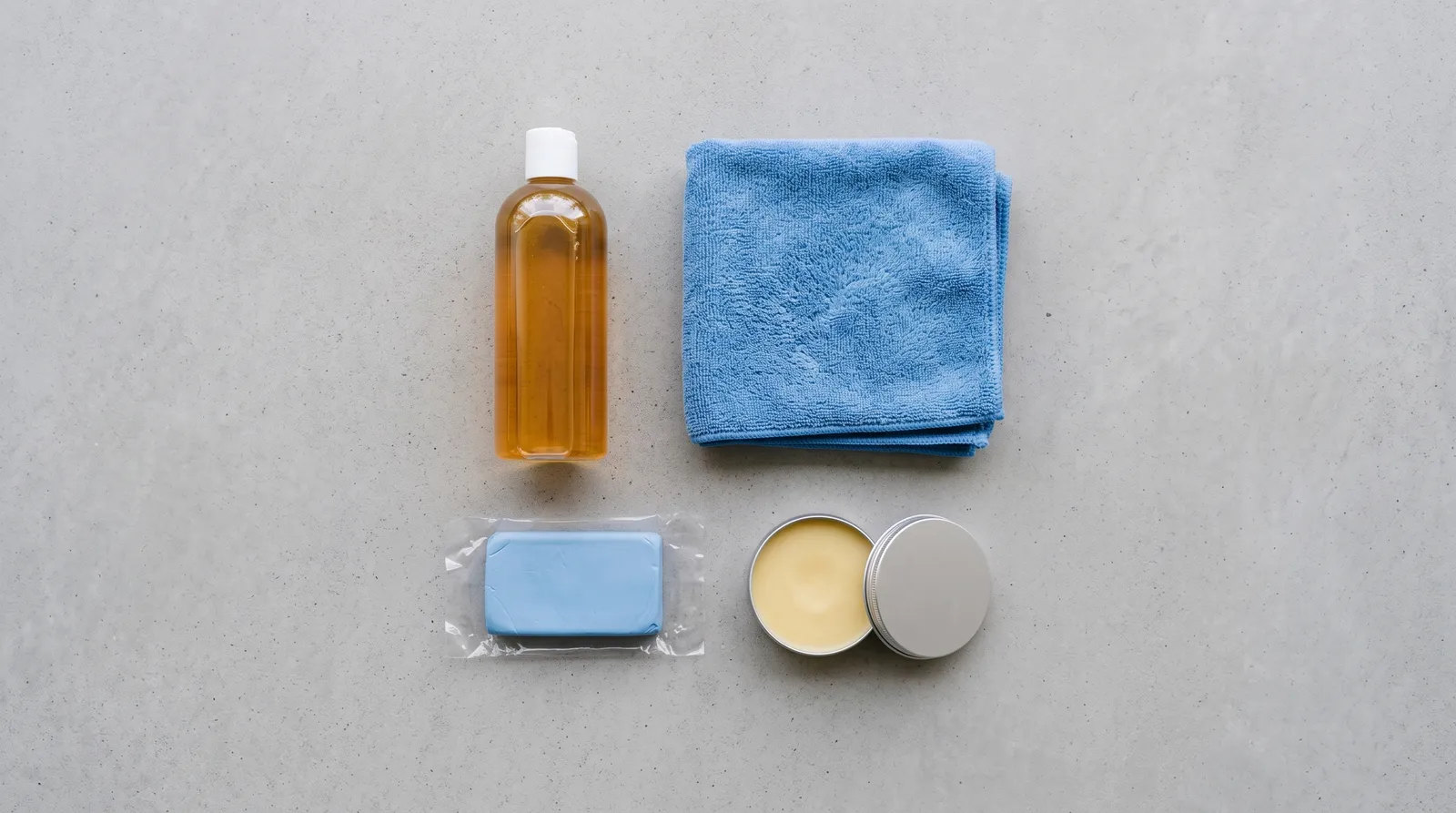
Basic car wash soap is formulated to lift dirt and grime without stripping wax or sealant protection, unlike household detergents which are often too harsh for painted surfaces and can strip protective coatings with repeated use. Clay bars work mechanically, gently pulling embedded contaminants (tar, rail dust, overspray) out of the clear coat's surface that washing alone can't remove.
Wax and sealants create a sacrificial protective layer on top of the clear coat, absorbing UV and environmental stress that would otherwise directly affect the paint. Polishing compounds work abrasively, removing a very thin layer of clear coat to eliminate fine scratches, swirl marks, and oxidation, revealing fresher material underneath.
Types & Options
Carnauba wax offers a warm, deep shine and is a traditional favorite, though it typically doesn't last as long as synthetic sealants, which trade a bit of that specific look for longer-lasting protection. Ceramic coatings represent a newer category, forming a more durable, semi-permanent bond with the clear coat for extended protection and easier maintenance, at a higher product and often application cost.
Clay bars and clay mitts remove embedded surface contaminants before waxing or coating, ensuring the protective product bonds to genuinely clean paint rather than sitting on top of contamination. Dedicated automotive glass cleaner, wheel cleaner, and interior products round out a full care routine, each formulated for their specific surface rather than a one-size-fits-all approach.
Iron removers and tar removers are specialty decontamination products that complement clay bar treatment, targeting specific contaminant types that clay alone doesn't always fully address.
How to Use It / Do It Right
A basic maintenance routine starts with regular washing using proper automotive soap and the two-bucket method (separate buckets for soapy water and rinsing your wash mitt) to minimize swirl-mark-causing grit transfer. Periodic clay bar treatment removes embedded contaminants that washing alone can't, ideally before each fresh wax or sealant application.
Apply wax, sealant, or ceramic coating according to the specific product's instructions, and reapply on the recommended schedule (which varies significantly by product type, from monthly for some waxes to years for quality ceramic coatings) to maintain consistent protection.
Work in the shade rather than direct sun when washing or applying products, since direct sunlight can cause soap and product to dry on the surface before you've finished working it in, leading to streaking or residue.
Work panel by panel rather than washing the entire vehicle at once with soap sitting for a long time on any one area, which helps avoid the soap drying on the surface before you've had a chance to rinse it off.
Common Mistakes
Using household cleaning products or dish soap on paint is a common mistake, since these are often formulated to strip oils and protection, which is exactly what you don't want on protected automotive paint. Washing with a dirty or inappropriate cloth/mitt, or without the two-bucket method, is another frequent cause of the fine swirl marks that accumulate over time and become especially visible on dark colors.
Applying wax or sealant to paint that hasn't been properly cleaned and clayed first traps contaminants under the protective layer rather than actually protecting clean paint, reducing both the product's effectiveness and appearance.
Finally, using a single towel across the entire vehicle without rinsing it out periodically can redistribute grit you've already picked up back onto the paint, undoing some of the wash's benefit.
Safety Considerations
Most wash, wax, and polish products are low-risk with normal use, though some polishing compounds and ceramic coating products contain stronger solvents — follow product-specific guidance on ventilation and skin protection, particularly for ceramic coating application.
DIY vs. Professional
Regular washing, basic waxing, and clay bar treatment are all accessible DIY tasks with widely available products and straightforward technique. Paint correction (removing more significant swirl marks, oxidation, or defects through polishing) and ceramic coating application benefit from professional experience and equipment, particularly for achieving a flawless result on a full vehicle.
Many owners handle regular maintenance themselves while turning to professional detailing periodically for deeper correction work or ceramic coating application, balancing cost and results.
A Practical Tip
A simple, sustainable routine — regular gentle washing, periodic clay treatment, and consistent wax or sealant reapplication — does more for long-term paint condition than any single premium product used inconsistently.
Cost Considerations
Basic DIY care products (soap, wax, clay bar) represent a modest ongoing cost for meaningful paint protection benefit. Professional detailing and paint correction services cost more but can address issues (swirl marks, oxidation, contamination) that basic home care can't fully resolve, and professional ceramic coating application in particular carries a significant upfront cost for its multi-year protection benefit.
See our cost guide for how care and maintenance services compare to repair costs — consistent care is generally far less expensive than the repairs neglect eventually requires.
A basic starter kit of soap, a couple of microfiber towels, and a quality wax is a reasonable, inexpensive way to begin a proper care routine before investing in more specialized products like clay bars or ceramic coating.
Frequently Asked Questions
How often should I wax my car?
Traditional wax typically needs reapplication every one to three months depending on the specific product and your climate; synthetic sealants often last longer, and ceramic coatings can last one to several years.
Can I use dish soap to wash my car?
It's not recommended for regular use — dish soap is formulated to strip oils and can remove wax or sealant protection along with dirt, leaving paint less protected over time.
What's the difference between wax and ceramic coating?
Wax provides a shorter-lasting, sacrificial protective layer that needs regular reapplication, while ceramic coating forms a more durable, longer-lasting bond with the clear coat, offering extended protection at a higher upfront cost.
Do I need to clay bar my car every time I wash it?
No, clay bar treatment is an occasional deeper-cleaning step, typically done every few months or before applying fresh wax or sealant, not part of a routine wash.
Can polishing compound remove deep scratches?
Polishing compound can improve the appearance of fine scratches and swirl marks by leveling the surrounding clear coat, but deep scratches that go through the clear coat into base coat generally need actual paint repair rather than just polishing.
Is it bad to let my car go unwashed for a long time?
Yes, accumulated dirt, bird droppings, tree sap, and other contaminants can chemically etch into clear coat if left for extended periods, making regular washing a genuinely protective habit, not just a cosmetic one.
Can I apply ceramic coating myself, or does it need a professional?
Consumer-grade ceramic products exist for DIY application, though professional-grade coatings and application typically offer longer-lasting, more consistent results.
Does regular washing alone protect paint without wax?
Washing removes surface dirt but doesn't provide the same UV and environmental protection that wax, sealant, or ceramic coating specifically adds — both practices work together, not as substitutes for each other.
Are microfiber towels necessary, or can I use regular towels?
Microfiber is strongly recommended over regular towels, which can trap grit and cause fine scratches on paint over repeated use.
How soon after washing can I apply wax?
Once the surface is fully dry and free of any remaining soap residue, wax can typically be applied right away as part of the same session.
Does location affect the price?
Yes — labor rates and material costs vary meaningfully by region, so the same job can price differently between a major metro area and a smaller local market. Get quotes locally rather than relying on a national average.
Do paint care products expire?
Most waxes, sealants, and cleaning products have a reasonably long shelf life if stored properly, though checking consistency and smell before using older products is a sensible precaution.